

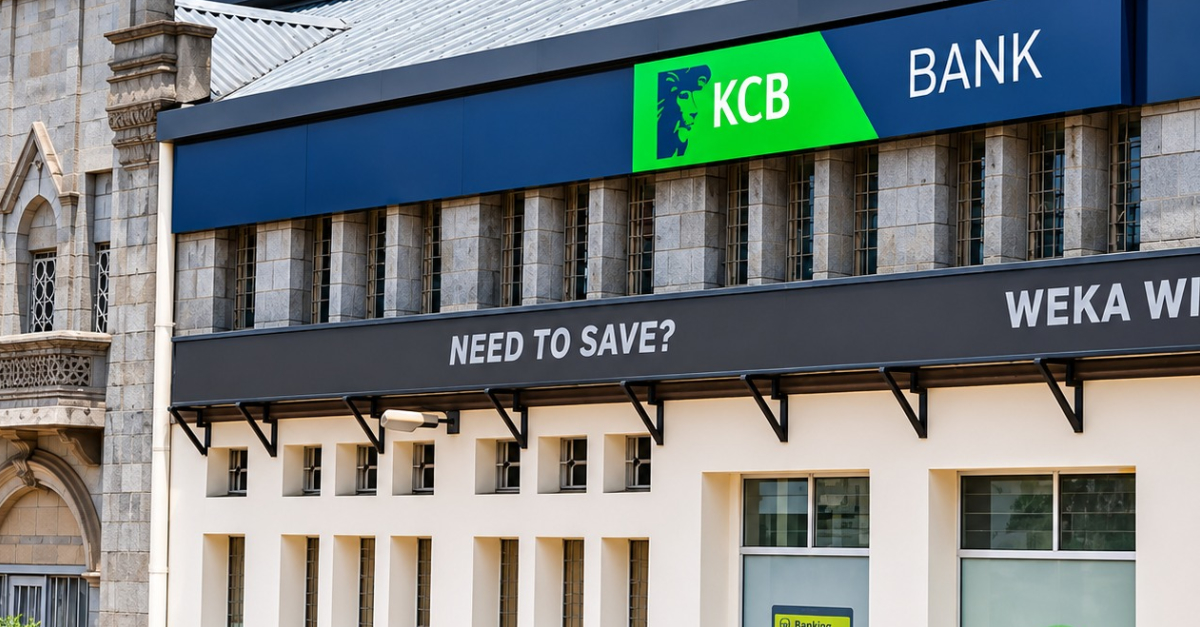
Recent reporting in The EastAfrican highlights two exposures worth examining in Kenya: the relationship between banks and government debt, and the movement of illicit financial flows across regional economies.
Both issues illustrate how headline figures can obscure underlying risks when assessing financial counterparties, transactions and business relationships.
Banks and the Sovereign
In October, Moody’s told The EastAfrican that Kenyan banks’ exposure to government securities stood at approximately 1.8 times their equity in the first half of 2026, down slightly from more than twice their equity at the end of 2023.
The concentration means Kenyan banks’ credit ratings are closely linked to the sovereign rating. The World Bank has also estimated banks’ holdings of government securities at approximately KSh2.2 trillion, representing about 35 per cent of domestic debt and 27 per cent of banking-sector assets.
The Kenya Bankers Association, meanwhile, maintains that this exposure represents a longstanding and sensible portfolio diversification strategy.
These figures do not, in themselves, suggest that Kenyan banks are unsafe. They do, however, illustrate why a bank’s financial position cannot always be assessed independently of the wider economic environment in which it operates.
For lenders, investors, depositors and businesses relying on financial counterparties, the relevant question extends beyond the institution’s own balance sheet. It also involves understanding the extent to which its financial strength depends on government debt, sovereign credit conditions and the broader fiscal environment.
Illicit Financial Flows
On 12 November, leaders attending a COMESA conference in Nairobi reportedly stated that illicit financial flows were undermining regional trade by nearly ten times, reducing the benefits expected from easing trade restrictions.
The figure is a regional estimate and should be interpreted with caution. Nevertheless, it highlights a broader concern: significant value can move across borders outside the formal systems reflected in official trade statistics.
Tracing and recovering such funds often requires examining transactions across multiple jurisdictions, identifying the companies involved, establishing beneficial ownership and understanding how funds move between businesses, financial institutions and individuals.
For businesses operating across borders, this also reinforces the importance of understanding counterparties beyond their immediate corporate identity. The entity appearing in a transaction may not necessarily reveal the full ownership structure, the source of funds or the parties ultimately benefiting from the arrangement.
The Common Thread: Understanding the Exposure Behind the Numbers
In both cases, the headline figures tell only part of the story.
A bank’s balance sheet may reveal substantial exposure to government securities, while a trade transaction may appear legitimate on its face. However, a fuller assessment requires understanding what those exposures depend on and where the underlying value ultimately sits.
The useful habit is to look beyond the headline numbers: examine what a financial institution’s strength depends on, and trace trade flows to establish who ultimately owns, controls or benefits from the transactions.
For businesses, lenders and investors operating across the region, understanding these underlying relationships is an important part of assessing counterparty risk.