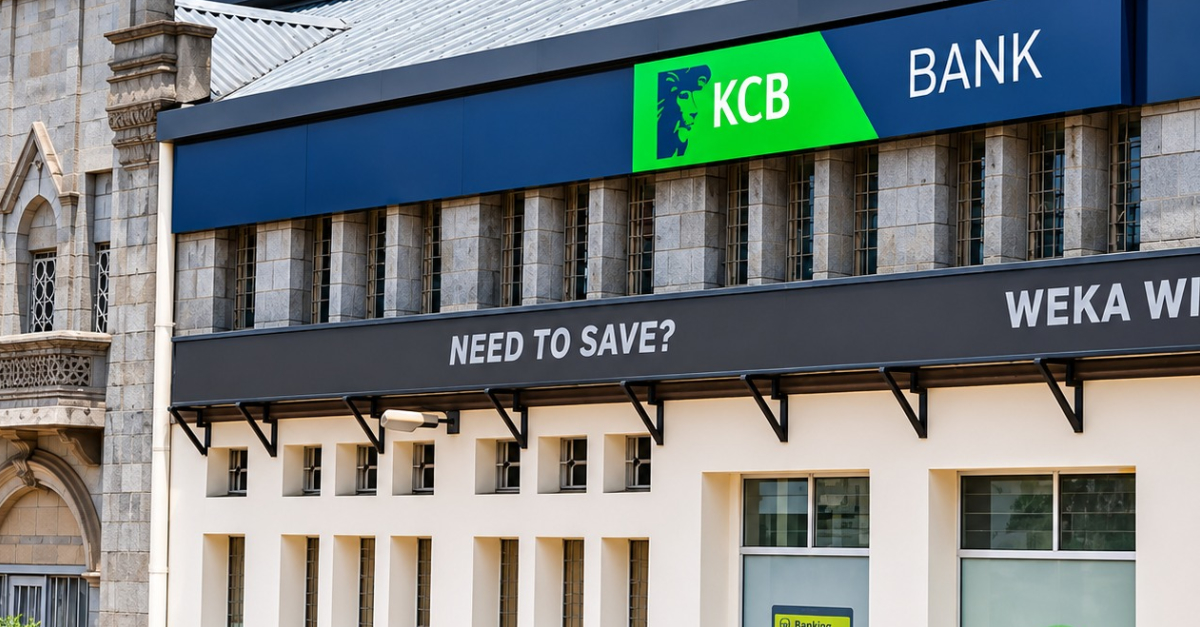

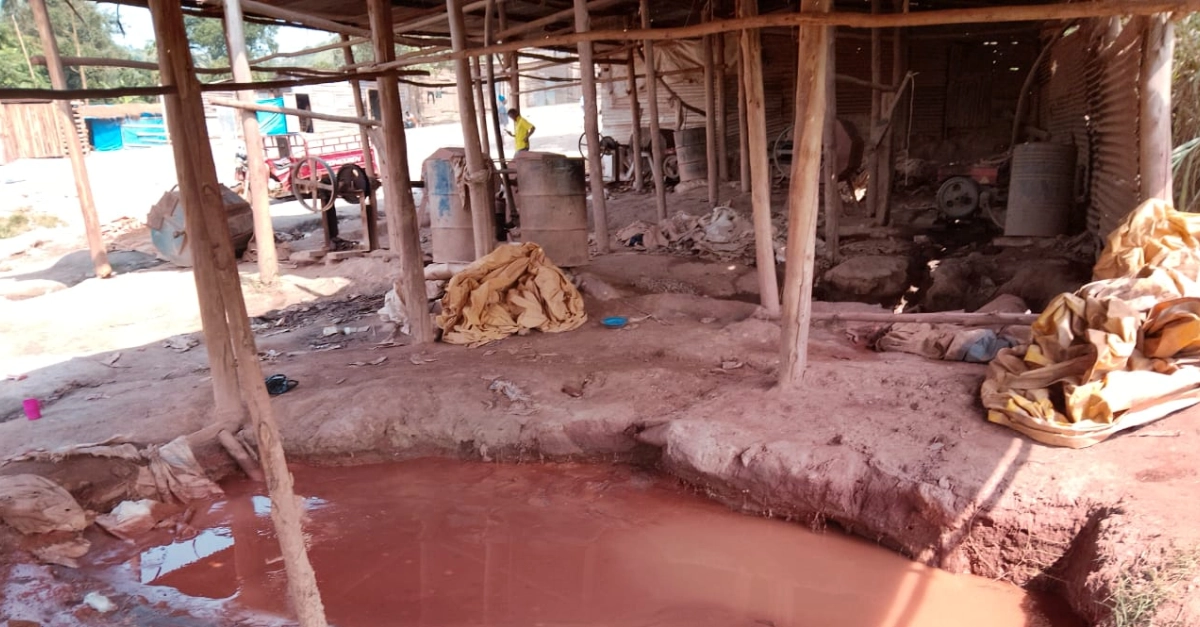
The IMF has warned about the risks associated with Tanzania’s central-bank gold purchases, while Dar es Salaam’s regional commissioner has cautioned traders about fraudulent mineral deals. Both developments come back to one question: who is selling, and can you prove it?
The Central Bank: Speed Puts Weight on the Checks
At the conclusion of its 11–24 November mission, the IMF said the Bank of Tanzania’s domestic gold purchases had helped diversify the country’s reserves but also introduced operational, valuation and balance-sheet risks. The Fund warned that, if these risks materialise, they could add to inflation and exchange-rate pressure, weaken exports, reduce fiscal revenue and affect reserves. It also called for greater exchange-rate flexibility, noting that reserve adequacy remains relatively low. At the same time, the IMF acknowledged the potential benefit of higher gold prices in strengthening the country’s external position.
The scale of the programme is what makes the wording particularly important. The central bank says it has purchased approximately 28 tonnes of gold over 18 months, valued at roughly US$3.68 billion. Payments to miners and dealers are reportedly made within 24 hours, while more than 4,000 accounts have been opened to facilitate sales to the bank. Since October 2024, licensed miners and dealers have also been required to offer at least 20 per cent of the gold earmarked for export for sale to the central bank.
This is not a comment on how the bank manages its programme. What is interesting is the relationship between the scale of the operation and the risks identified by the IMF. When transactions involve thousands of sellers, significant volumes and rapid payments, the checks conducted at the point of sale become particularly important.
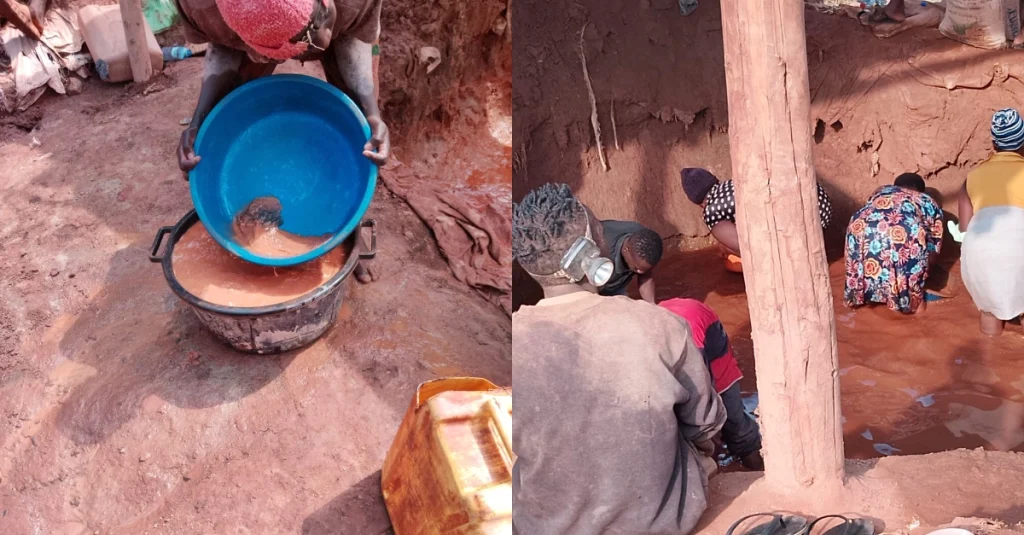
The Market: Fraudulent Deals and the Official Channel
On 19 November, Dar es Salaam Regional Commissioner Albert Chalamila cautioned mineral traders against fraudulent transactions following reports of buyers losing money through fake deals. He urged traders to use the official mineral market to verify transactions.
Days later, the Mining Commission’s Director of Licensing warned that licence holders who fail to meet their conditions risk suspension or cancellation. She said the Commission examines proposed areas and, where necessary, assesses an applicant’s financial and technical capacity.
Taken together, these developments highlight an important distinction. A licence may be genuine, but that alone does not establish that the person presenting it is authorised to transact, that the licence remains in good standing, or that the particular transaction is legitimate.
What We Would Want to See
Before buying, financing or shipping gold, we would want to establish that the seller holds the appropriate licence class and that it remains valid. This would mean confirming the licence directly with the relevant authority rather than relying solely on a photocopy or document supplied by the seller.
We would also want to establish whether the person conducting the transaction is the licence holder or has been properly authorised to act on their behalf. The origin of the gold would need to be established, with an assay conducted before payment where appropriate. Finally, the ownership of the selling company should be checked against the available corporate records and transaction documentation to ensure that the parties and the ownership trail are consistent.
The Common Thread
At both the central-bank level and within the mineral market, speed and volume place greater weight on verification.
An assay report, a licence and a published price each serve an important purpose, but none should be treated as sufficient on its own. Their value ultimately depends on the checks behind them—and whether the information can be independently confirmed.